- Le Bulletin.net
- Comparer
- Galaxy S25 Ultra vs Poco X3 Pro
Samsung Galaxy S25 Ultra vs Xiaomi Poco X3 Pro
Ce que le Galaxy S25 Ultra fait mieux (34) et où le Poco X3 Pro l’emporte (4) — toutes les caractéristiques côte à côte.
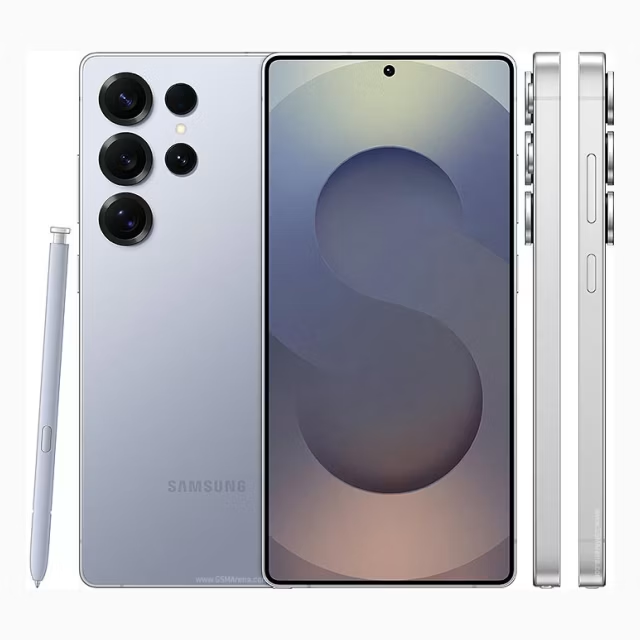
vs
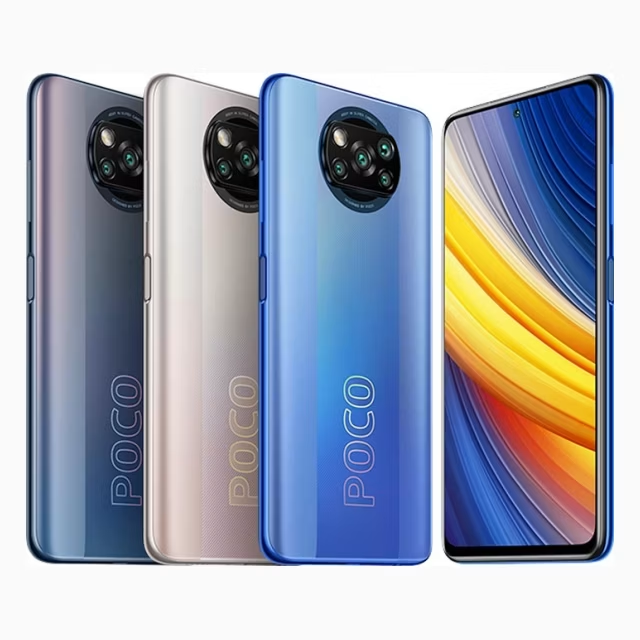
9,1Écran5,5
9,1Performances4,5
9,8Photo6,7
7,1Batterie7,3
9,8Équipement4,6
Dimensions
Comparaison des tailles
Galaxy S25 UltraPoco X3 Pro
| Galaxy S25 Ultra | Poco X3 Pro | Écart | |
|---|---|---|---|
| Hauteur | 162,8 mm | 165,3 mm | −2,5 mm |
| Largeur | 77,6 mm | 76,8 mm | +0,8 mm |
| Épaisseur | 8,2 mm | 9,4 mm | −1,2 mm |
| Poids | 218 g | 215 g | +3 g |
À la même échelle d’après les dimensions officielles (face et profil).
Pourquoi le Galaxy S25 Ultra est-il meilleur que le Poco X3 Pro ?
- Score AnTuTu2 207 809 vs 453 2234,9×
- Geekbench 6 (multicœur)9 846 vs 2 5743,8×
- Capteur principal200 MP vs 48 MP4,2×
- RAM16 Go vs 8 Go2×
- Étanchéité (IPx)IPx8 vs IPx32,7×
- Luminosité maximale2 600 nits vs 450 nits5,8×
- Luminosité mesurée1 417 nits vs 529 nits2,7×
- 3DMark Wild Life Extreme6 687 vs 9796,8×
- Stockage (max.)1 024 Go vs 256 Go4×
- Dalle OLEDOui · Poco X3 Pro: Non
- Stabilisation optiqueOui · Poco X3 Pro: Non
- TéléobjectifOui · Poco X3 Pro: Non
Pourquoi le Poco X3 Pro est-il meilleur que le Galaxy S25 Ultra ?
- Capacité de la batterie5 000 mAh vs 5 160 mAh+3 %
- Port carte mémoireNon · Galaxy S25 Ultra: Oui
- Prise jack 3,5 mmNon · Galaxy S25 Ultra: Oui
- Caméra selfie12 MP vs 20 MP+67 %
Caractéristiques
Côte à côte
| Design | ||
| Poids | 218 g | 215 g |
| Épaisseur | 8,2 mm | 9,4 mm |
| Hauteur | 162,8 mm | 165,3 mm |
| Largeur | 77,6 mm | 76,8 mm |
| Châssis | Titane | Plastique |
| Dos | Verre | Plastique |
| Indice de protection | IP68 | IP53 |
| Étanchéité (IPx) | IPx8 | IPx3 |
| Protection du verre | Corning Gorilla Armor 2 | Corning Gorilla Glass 6 |
| Coloris | Titanium Silver Blue, Titanium Black, Titanium White Silver, Titanium Gray, Titanium Jade Green, Titanium Jet Black, Titanium Pink Gold | Phantom Black, Frost Blue, Metal Bronze |
| Stylet | Oui | — |
| Écran | ||
| Taille de l’écran | 6,9″ | 6,7″ |
| Dalle | Dynamic LTPO AMOLED 2X | IPS LCD |
| Dalle OLED | Oui | Non |
| LTPO (1–120 Hz adaptatif) | Oui | — |
| Définition (largeur) | 1 440 px | 1 080 px |
| Définition (hauteur) | 3 120 px | 2 400 px |
| Densité de pixels | 498 ppi | 395 ppi |
| Fréquence de rafraîchissement | 120 Hz | 120 Hz |
| Luminosité maximale | 2 600 nits | 450 nits |
| Luminosité mesurée | 1 417 nits | 529 nits |
| Ratio écran/façade | 92,5 % | 84,6 % |
| HDR | Oui | Oui |
| Performances | ||
| Puce | Qualcomm SM8750-AC Snapdragon 8 Elite | Qualcomm Snapdragon 860 |
| Fabricant de la puce | Qualcomm | Qualcomm |
| Gravure | 3 nm | 7 nm |
| Cœurs CPU | 8 | 8 |
| Fréquence CPU | 4,47 GHz | 2,96 GHz |
| GPU | Adreno 830 | Adreno 640 |
| Score AnTuTu | 2 207 809 | 453 223 |
| Geekbench 6 (multicœur) | 9 846 | 2 574 |
| 3DMark Wild Life Extreme | 6 687 | 979 |
| Mémoire | ||
| RAM | 16 Go | 8 Go |
| Stockage (max.) | 1 024 Go | 256 Go |
| Stockage (de base) | 256 Go | 128 Go |
| Type de stockage | UFS 4.0 | UFS 3.1 |
| Port carte mémoire | Non | Oui |
| Photo | ||
| Capteur principal | 200 MP | 48 MP |
| Ouverture (principal) | f/1,7 | f/1,8 |
| Taille du capteur principal | 1/1.3" | 1/2.0" |
| Capteurs arrière | 4 | 2 |
| Stabilisation optique | Oui | Non |
| Ultra grand-angle | Oui | Oui |
| Téléobjectif | Oui | Non |
| Zoom optique | 5× | — |
| Vidéo max. | 8K | 4K |
| Cadence vidéo 4K | 120 fps | 30 fps |
| Caméra selfie | 12 MP | 20 MP |
| Selfie vidéo 4K | Oui | Non |
| Batterie | ||
| Capacité de la batterie | 5 000 mAh | 5 160 mAh |
| Type de batterie | Li-Ion | Li-Po |
| Autonomie en usage actif (test) | 14,8 h | — |
| Charge filaire | 45 W | 33 W |
| Charge en 30 min | 65 % | 59 % |
| Charge sans fil | Oui | Non |
| Puissance sans fil | 15 W | — |
| Charge sans fil inversée | Oui | — |
| Connectivité | ||
| 5G | Oui | Non |
| eSIM | Oui | Non |
| Double SIM | Oui | Oui |
| Norme Wi-Fi | Wi-Fi 7 | Wi-Fi 5 |
| Bluetooth | 5,4 | 5 |
| NFC | Oui | Oui |
| USB | USB Type-C 3.2 | USB Type-C 2.0 |
| Version USB | 3,2 | 2 |
| Sortie vidéo | Oui | — |
| Ultra Wideband | Oui | — |
| Port infrarouge | — | Oui |
| GPS double fréquence | Oui | — |
| Navigation par satellite | GLONASS, GALILEO, BDS, QZSS | GLONASS, GALILEO, BDS |
| Fonctions | ||
| Haut-parleurs stéréo | Oui | Oui |
| Prise jack 3,5 mm | Non | Oui |
| Puissance du haut-parleur | -24,6 LUFS | -26,1 LUFS |
| Lecteur d’empreintes | Sous l’écran, ultrasons | Latéral |
| Baromètre | Oui | — |
| Capteurs | Fingerprint (under display, ultrasonic), accelerometer, gyro, proximity, compass, barometer | Fingerprint (side-mounted), accelerometer, gyro, proximity, compass |
| DAS (tête) | 1,25 W/kg | 0,57 W/kg |
| Logiciel | ||
| Système au lancement | Android 15 | Android 11 |
| Plateforme | Android | Android |
| Surcouche | One UI 9 | MIUI 13 for POCO |
| Mises à jour majeures promises | 7 | — |
| Étiquette UE | ||
| Classe énergétique | B | — |
| Cycles de charge | 2 000 | — |
| Autonomie par cycle | 45 h | — |
| Indice de réparabilité | C | — |
| Résistance aux chutes | A | — |

Comparatifs proches
 vs
 Samsung Galaxy S25 UltravsSamsung Galaxy S26 Ultra
9,59,6
vs
 Samsung Galaxy S25 UltravsSamsung Galaxy S24 Ultra
9,59,3
vs
 Samsung Galaxy S25 UltravsXiaomi Poco F7
9,59,3
 vs
Honor 400 ProvsSamsung Galaxy S25 Ultra
9,59,5
vs
 Samsung Galaxy S25 UltravsXiaomi Poco F7 Ultra
9,59,4
vs
 Samsung Galaxy S25 UltravsXiaomi 15T Pro
9,59,7