- Le Bulletin.net
- Comparer
- Galaxy S22 Ultra 5G vs Redmi Note 8 Pro
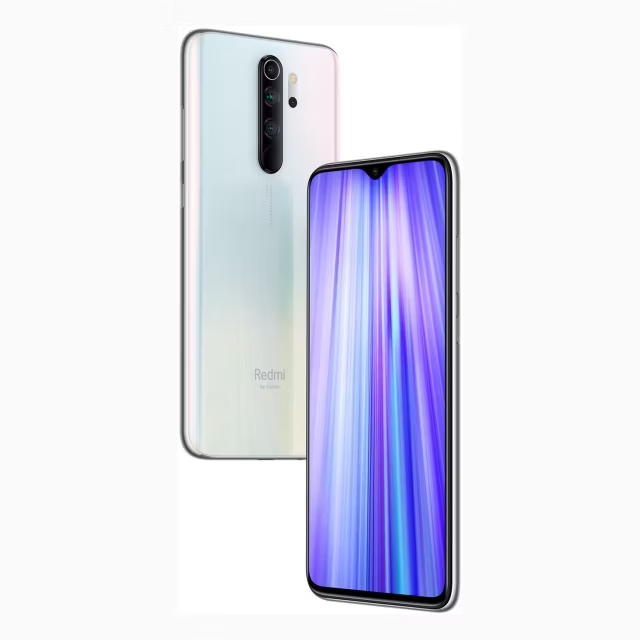
Samsung Galaxy S22 Ultra 5G vs Xiaomi Redmi Note 8 Pro
Ce que le Galaxy S22 Ultra 5G fait mieux (35) et où le Redmi Note 8 Pro l’emporte (4) — toutes les caractéristiques côte à côte.
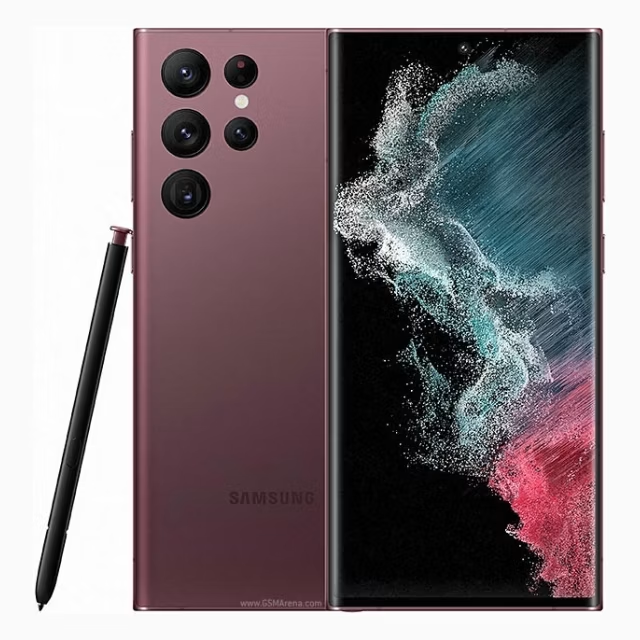
vs
9,2Écran4,3
7,6Performances4,2
9,8Photo7,5
7,3Batterie3,4
9,4Équipement4,3
Dimensions
Comparaison des tailles
Galaxy S22 Ultra 5GRedmi Note 8 Pro
| Galaxy S22 Ultra 5G | Redmi Note 8 Pro | Écart | |
|---|---|---|---|
| Hauteur | 163,3 mm | 161,4 mm | +1,9 mm |
| Largeur | 77,9 mm | 76,4 mm | +1,5 mm |
| Épaisseur | 8,9 mm | 8,8 mm | +0,1 mm |
| Poids | 228 g | 200 g | +28 g |
À la même échelle d’après les dimensions officielles (face et profil).
Pourquoi le Galaxy S22 Ultra 5G est-il meilleur que le Redmi Note 8 Pro ?
- Score AnTuTu968 359 vs 224 7594,3×
- Charge filaire45 W vs 18 W2,5×
- Fréquence de rafraîchissement120 Hz vs 60 Hz2×
- Étanchéité (IPx)IPx8 vs IPx24×
- Luminosité maximale1 750 nits vs 500 nits3,5×
- 3DMark Wild Life Extreme1 967 vs 3815,2×
- Stockage (max.)1 024 Go vs 256 Go4×
- Capteur principal108 MP vs 64 MP+69 %
- RAM12 Go vs 8 Go+50 %
- Dalle OLEDOui · Redmi Note 8 Pro: Non
- Stabilisation optiqueOui · Redmi Note 8 Pro: Non
- TéléobjectifOui · Redmi Note 8 Pro: Non
Pourquoi le Redmi Note 8 Pro est-il meilleur que le Galaxy S22 Ultra 5G ?
- Geekbench 6 (multicœur)6 999 vs 3 657+91 %
- Port carte mémoireOui · Galaxy S22 Ultra 5G: Non
- Prise jack 3,5 mmOui · Galaxy S22 Ultra 5G: Non
- Poids200 g vs 228 g+14 %
Caractéristiques
Côte à côte
| Design | ||
| Poids | 228 g | 200 g |
| Épaisseur | 8,9 mm | 8,8 mm |
| Hauteur | 163,3 mm | 161,4 mm |
| Largeur | 77,9 mm | 76,4 mm |
| Châssis | Aluminium | Plastique |
| Dos | Verre | Verre |
| Indice de protection | IP68 | IP52 |
| Étanchéité (IPx) | IPx8 | IPx2 |
| Protection du verre | Corning Gorilla Glass Victus+ | Corning Gorilla Glass 5 |
| Coloris | Phantom Black, Blanc, Burgundy, Vert, Graphite, Rouge, Bleu ciel | Noir, Rouge, Bleu, Blanc, Deep Sea Blue, Midnight Blue, Electric Blue, Twilight Orange |
| Stylet | Oui | — |
| Écran | ||
| Taille de l’écran | 6,8″ | 6,5″ |
| Dalle | Dynamic AMOLED 2X | IPS LCD |
| Dalle OLED | Oui | Non |
| Définition (largeur) | 1 440 px | 1 080 px |
| Définition (hauteur) | 3 088 px | 2 340 px |
| Densité de pixels | 500 ppi | 395 ppi |
| Fréquence de rafraîchissement | 120 Hz | 60 Hz |
| Luminosité maximale | 1 750 nits | 500 nits |
| Luminosité mesurée | 1 266 nits | 640 nits |
| Ratio écran/façade | 90,2 % | 84,9 % |
| HDR | Oui | Oui |
| Performances | ||
| Puce | Exynos 2200 - Europe | Mediatek MT6785V/CC Helio G90T |
| Fabricant de la puce | Qualcomm | MediaTek |
| Gravure | 4 nm | 12 nm |
| Cœurs CPU | 8 | 8 |
| Fréquence CPU | 3 GHz | 2,05 GHz |
| GPU | Xclipse 920 - Europe Adreno 730 - ROW | Mali-G76 MC4 |
| Score AnTuTu | 968 359 | 224 759 |
| Geekbench 6 (multicœur) | 3 657 | 6 999 |
| 3DMark Wild Life Extreme | 1 967 | 381 |
| Mémoire | ||
| RAM | 12 Go | 8 Go |
| Stockage (max.) | 1 024 Go | 256 Go |
| Stockage (de base) | 128 Go | 64 Go |
| Type de stockage | UFS 3.1 | UFS 2.1 |
| Port carte mémoire | Non | Oui |
| Photo | ||
| Capteur principal | 108 MP | 64 MP |
| Ouverture (principal) | f/1,8 | f/1,9 |
| Taille du capteur principal | 1/1.33" | 1/1.72" |
| Capteurs arrière | 4 | 2 |
| Stabilisation optique | Oui | Non |
| Ultra grand-angle | Oui | Oui |
| Téléobjectif | Oui | Non |
| Zoom optique | 10× | — |
| Vidéo max. | 8K | 4K |
| Cadence vidéo 4K | 60 fps | 30 fps |
| Caméra selfie | 40 MP | 20 MP |
| Selfie vidéo 4K | Oui | Non |
| Batterie | ||
| Capacité de la batterie | 5 000 mAh | 4 500 mAh |
| Type de batterie | Li-Ion | Li-Po |
| Charge filaire | 45 W | 18 W |
| Charge en 30 min | 60 % | 30 % |
| Charge sans fil | Oui | Non |
| Puissance sans fil | 15 W | — |
| Charge sans fil inversée | Oui | — |
| Connectivité | ||
| 5G | Oui | Non |
| eSIM | Oui | Non |
| Double SIM | Oui | Oui |
| Norme Wi-Fi | Wi-Fi 6E | Wi-Fi 5 |
| Bluetooth | 5.2 | 5 |
| NFC | Oui | Oui |
| USB | USB Type-C 3.2 | USB Type-C 2.0 |
| Version USB | 3.2 | 2 |
| Sortie vidéo | Oui | — |
| Ultra Wideband | Oui | — |
| Port infrarouge | — | Oui |
| Navigation par satellite | GLONASS, GALILEO, BDS | GLONASS, GALILEO, BDS |
| Fonctions | ||
| Haut-parleurs stéréo | Oui | Non |
| Prise jack 3,5 mm | Non | Oui |
| Puissance du haut-parleur | -27,3 LUFS | — |
| Lecteur d’empreintes | Sous l’écran, ultrasons | Au dos |
| Baromètre | Oui | — |
| Capteurs | Empreinte digitale (sous l’écran, ultrasons), accéléromètre, gyroscope, proximité, boussole, baromètre | Empreinte digitale (au dos), accéléromètre, gyroscope, proximité, boussole |
| DAS (tête) | 1,05 W/kg | 1 W/kg |
| DAS tronc mesuré par l’ANFR | 1,14 W/kg | 0,99 W/kg |
| Distance de mesure du DAS tronc (ANFR) | 5 mm | 5 mm |
| DAS membres mesuré par l’ANFR | 2,28 W/kg | 2,08 W/kg |
| Conforme au contrôle DAS de l’ANFR | Oui | Oui |
| Contrôle DAS de l’ANFR (année) | 2022 | 2020 |
| Logiciel | ||
| Système au lancement | Android 12 | Android 9.0 (Pie) |
| Plateforme | Android | Android |
| Surcouche | One UI 8 | MIUI 12.5 |
| Mises à jour majeures promises | 4 | — |
Comparatifs proches
 vs
 Samsung Galaxy S23 UltravsSamsung Galaxy S22 Ultra 5G
9,29,3
 vs
Samsung Galaxy S24 UltravsSamsung Galaxy S22 Ultra 5G
9,49,3
vs
 Samsung Galaxy S22 Ultra 5GvsOnePlus 10 Pro
9,39,2
 vs
Samsung Galaxy S21 Ultra 5GvsSamsung Galaxy S22 Ultra 5G
9,19,3
 vs
Xiaomi 13vsSamsung Galaxy S22 Ultra 5G
9,29,3
vs
 Samsung Galaxy S22 Ultra 5GvsXiaomi 12S Ultra
9,39,2