- Le Bulletin.net
- Comparer
- Galaxy S10e vs Mi 9T Pro
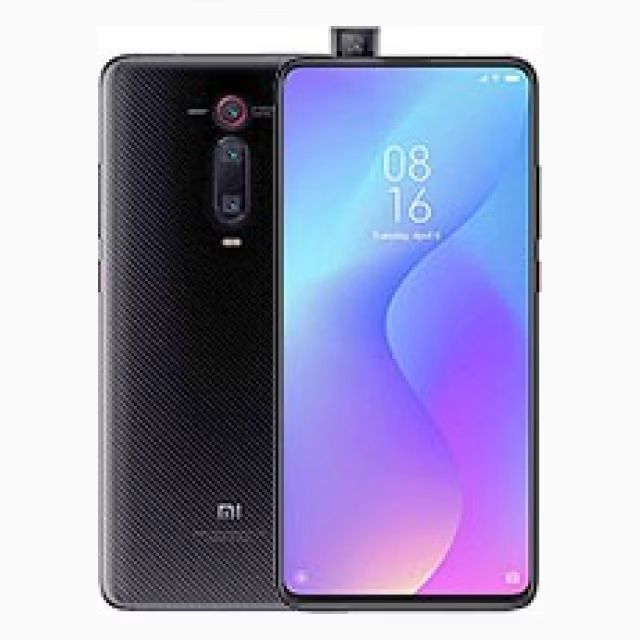
Samsung Galaxy S10e vs Xiaomi Mi 9T Pro
Ce que le Galaxy S10e fait mieux (12) et où le Mi 9T Pro l’emporte (11) — toutes les caractéristiques côte à côte.
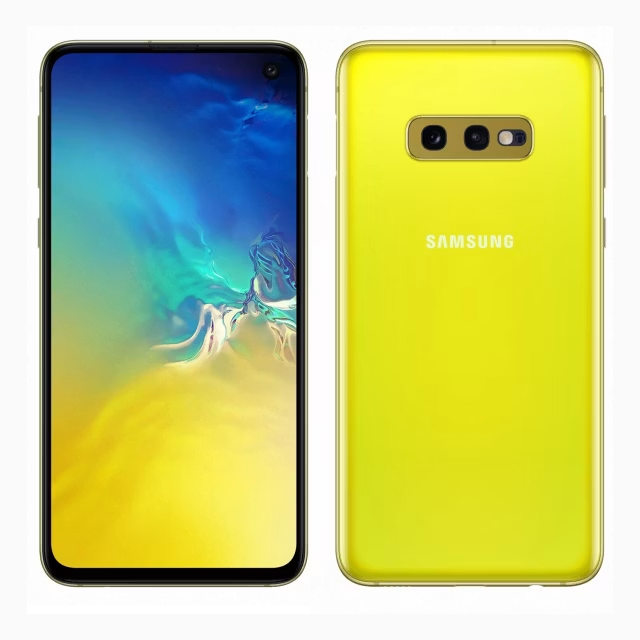
vs
6,4Écran6,3
5,7Performances6,0
8,0Photo7,7
3,1Batterie3,4
7,6Équipement6,7
Dimensions
Comparaison des tailles
Galaxy S10eMi 9T Pro
| Galaxy S10e | Mi 9T Pro | Écart | |
|---|---|---|---|
| Hauteur | 142,2 mm | 156,7 mm | −14,5 mm |
| Largeur | 69,9 mm | 74,3 mm | −4,4 mm |
| Épaisseur | 7,9 mm | 8,8 mm | −0,9 mm |
| Poids | 150 g | 191 g | −41 g |
À la même échelle d’après les dimensions officielles (face et profil).
Pourquoi le Galaxy S10e est-il meilleur que le Mi 9T Pro ?
- Stabilisation optiqueOui · Mi 9T Pro: Non
- Charge sans filOui · Mi 9T Pro: Non
- Haut-parleurs stéréoOui · Mi 9T Pro: Non
- Poids150 g vs 191 g+27 %
- Stockage (de base)128 Go vs 64 Go2×
- Port carte mémoireOui · Mi 9T Pro: Non
- Selfie vidéo 4KOui · Mi 9T Pro: Non
- Densité de pixels438 ppi vs 403 ppi+9 %
- Version USB3.1 vs 2+55 %
- Ouverture (principal)f/1,5 vs f/1,8+20 %
- Norme Wi-FiWi-Fi 6 vs Wi-Fi 5+20 %
- Épaisseur7,9 mm vs 8,8 mm+11 %
Pourquoi le Mi 9T Pro est-il meilleur que le Galaxy S10e ?
- Capteur principal48 MP vs 12 MP4×
- Charge filaire27 W vs 15 W+80 %
- Capacité de la batterie4 000 mAh vs 3 100 mAh+29 %
- TéléobjectifOui · Galaxy S10e: Non
- Score AnTuTu368 846 vs 325 192+13 %
- Geekbench 6 (multicœur)10 684 vs 10 081+6 %
- Caméra selfie20 MP vs 10 MP2×
- Taille de l’écran6,4″ vs 5,8″+10 %
- Capteurs arrière3 vs 2+50 %
- Gravure7 nm vs 8 nm+14 %
- Ratio écran/façade86,1 % vs 83,3 %+3 %
Caractéristiques
Côte à côte
| Design | ||
| Poids | 150 g | 191 g |
| Épaisseur | 7,9 mm | 8,8 mm |
| Hauteur | 142,2 mm | 156,7 mm |
| Largeur | 69,9 mm | 74,3 mm |
| Châssis | Aluminium | Aluminium |
| Dos | Verre | Verre |
| Indice de protection | IP68 | — |
| Étanchéité (IPx) | IPx8 | — |
| Protection du verre | Corning Gorilla Glass 5 | Corning Gorilla Glass 5 |
| Coloris | Prism White, Prism Black, Prism Green, Prism Blue, Canary Yellow, Flamingo Pink | Carbon black, Red flame, Glacier blue |
| Écran | ||
| Taille de l’écran | 5,8″ | 6,4″ |
| Dalle | Dynamic AMOLED | Super AMOLED |
| Dalle OLED | Oui | Oui |
| Définition (largeur) | 1 080 px | 1 080 px |
| Définition (hauteur) | 2 280 px | 2 340 px |
| Densité de pixels | 438 ppi | 403 ppi |
| Fréquence de rafraîchissement | 60 Hz | 60 Hz |
| Luminosité maximale | 940 nits | — |
| Luminosité mesurée | 706 nits | — |
| Ratio écran/façade | 83,3 % | 86,1 % |
| HDR | Oui | Oui |
| Performances | ||
| Puce | Exynos 9820 - EMEA/LATAM | Qualcomm SM8150 Snapdragon 855 |
| Fabricant de la puce | Qualcomm | Qualcomm |
| Gravure | 8 nm | 7 nm |
| Cœurs CPU | 8 | 8 |
| Fréquence CPU | 2,84 GHz | 2,84 GHz |
| GPU | Mali-G76 MP12 - EMEA/LATAM Adreno 640 - USA/China | Adreno 640 |
| Score AnTuTu | 325 192 | 368 846 |
| Geekbench 6 (multicœur) | 10 081 | 10 684 |
| 3DMark Wild Life Extreme | 950 | — |
| Mémoire | ||
| RAM | 8 Go | 8 Go |
| Stockage (max.) | 256 Go | 256 Go |
| Stockage (de base) | 128 Go | 64 Go |
| Type de stockage | UFS 2.1 | UFS 2.1 |
| Port carte mémoire | Oui | Non |
| Photo | ||
| Capteur principal | 12 MP | 48 MP |
| Ouverture (principal) | f/1,5 | f/1,8 |
| Taille du capteur principal | 1/2.55" | 1/2.0" |
| Capteurs arrière | 2 | 3 |
| Stabilisation optique | Oui | Non |
| Ultra grand-angle | Oui | Oui |
| Téléobjectif | Non | Oui |
| Zoom optique | — | 2× |
| Vidéo max. | 4K | 4K |
| Cadence vidéo 4K | 60 fps | 60 fps |
| Caméra selfie | 10 MP | 20 MP |
| Selfie vidéo 4K | Oui | Non |
| Batterie | ||
| Capacité de la batterie | 3 100 mAh | 4 000 mAh |
| Type de batterie | Li-Ion | Li-Po |
| Charge filaire | 15 W | 27 W |
| Charge en 30 min | 40 % | — |
| Charge sans fil | Oui | Non |
| Puissance sans fil | 15 W | — |
| Charge sans fil inversée | Oui | — |
| Connectivité | ||
| 5G | Non | — |
| eSIM | Non | Non |
| Double SIM | Oui | Oui |
| Norme Wi-Fi | Wi-Fi 6 | Wi-Fi 5 |
| Bluetooth | 5 | 5 |
| NFC | Oui | Oui |
| USB | USB Type-C 3.1 | USB Type-C 2.0 |
| Version USB | 3.1 | 2 |
| GPS double fréquence | — | Oui |
| Navigation par satellite | GLONASS, GALILEO, BDS | GLONASS, GALILEO, BDS |
| Fonctions | ||
| Haut-parleurs stéréo | Oui | Non |
| Prise jack 3,5 mm | Oui | Oui |
| Puissance du haut-parleur | — | -26,9 LUFS |
| Lecteur d’empreintes | Latéral | Sous l’écran |
| Baromètre | Oui | — |
| Capteurs | Empreinte digitale (latéral), accéléromètre, gyroscope, proximité, boussole, baromètre | Empreinte digitale (sous l’écran, optique), accéléromètre, gyroscope, proximité, boussole |
| DAS (tête) | 0,58 W/kg | 1,3 W/kg |
| DAS tronc mesuré par l’ANFR | 1,2 W/kg | — |
| Distance de mesure du DAS tronc (ANFR) | 5 mm | — |
| Conforme au contrôle DAS de l’ANFR | Oui | — |
| Contrôle DAS de l’ANFR (année) | 2019 | — |
| Logiciel | ||
| Système au lancement | Android 9.0 (Pie) | Android 9.0 (Pie) |
| Plateforme | Android | Android |
| Surcouche | One UI 4.1 | MIUI 12.5 |