- Le Bulletin.net
- Comparer
- Pilot 6 vs Poco X8 Pro
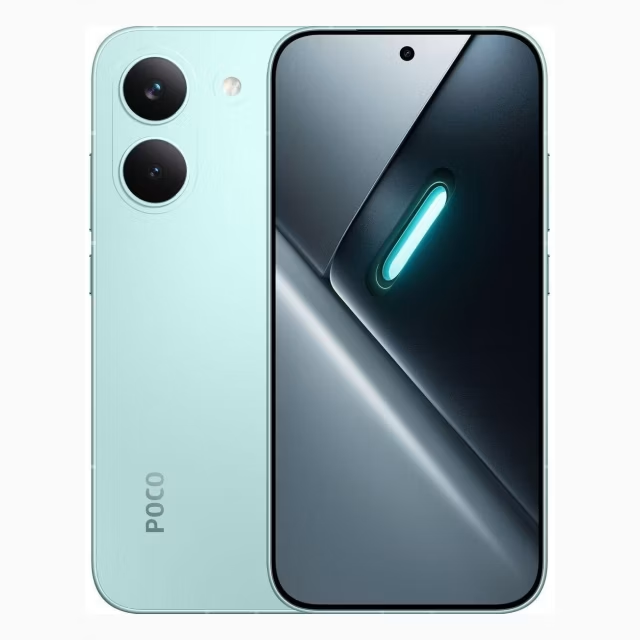
OSCAL Pilot 6 vs Xiaomi Poco X8 Pro
Ce que le Pilot 6 fait mieux (8) et où le Poco X8 Pro l’emporte (22) — toutes les caractéristiques côte à côte.
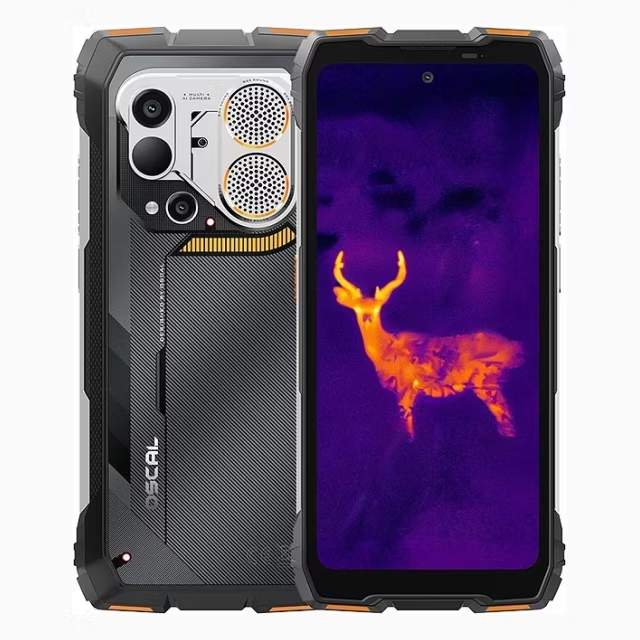
vs
6,9Écran8,9
7,1Photo8,8
7,7Batterie9,3
6,0Équipement8,9
Dimensions
Comparaison des tailles
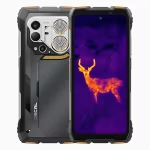
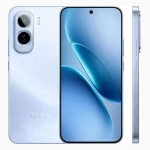
Pilot 6Poco X8 Pro
| Pilot 6 | Poco X8 Pro | Écart | |
|---|---|---|---|
| Hauteur | 182,8 mm | 157,5 mm | +25,3 mm |
| Largeur | 82 mm | 75,2 mm | +6,8 mm |
| Épaisseur | 18,1 mm | 8,4 mm | +9,7 mm |
| Poids | 411 g | 202 g | +210 g |
À la même échelle d’après les dimensions officielles (face et profil).
Pourquoi le Pilot 6 est-il meilleur que le Poco X8 Pro ?
- Capteur principal108 MP vs 50 MP2,2×
- Capacité de la batterie10 000 mAh vs 6 500 mAh+54 %
- Caméra selfie50 MP vs 20 MP2,5×
- Port carte mémoireOui · Poco X8 Pro: Non
- Selfie vidéo 4KOui · Poco X8 Pro: Non
- Indice de réparabilitéB vs C
- Taille de l’écran6,8″ vs 6,6″+3 %
- Autonomie par cycle95 h vs 66 h+44 %
Pourquoi le Poco X8 Pro est-il meilleur que le Pilot 6 ?
- Charge filaire27 W vs 100 W3,7×
- Luminosité maximale750 nits vs 3 500 nits4,7×
- Poids411 g vs 202 g2×
- Dalle OLEDNon · Pilot 6: Oui
- Stockage (max.)256 Go vs 512 Go2×
- Stabilisation optiqueNon · Pilot 6: Oui
- 5GNon · Pilot 6: Oui
- Haut-parleurs stéréoNon · Pilot 6: Oui
- Fréquence CPU2,2 GHz vs 3,4 GHz+55 %
- Épaisseur18,1 mm vs 8,4 mm2,2×
- Capteurs arrière1 vs 22×
- Ultra grand-angleNon · Pilot 6: Oui
Caractéristiques
Côte à côte
| Design | ||
| Poids | 411 g | 202 g |
| Épaisseur | 18,1 mm | 8,4 mm |
| Hauteur | 182,8 mm | 157,5 mm |
| Largeur | 82 mm | 75,2 mm |
| Châssis | — | Aluminium |
| Dos | — | Verre |
| Indice de protection | IP68 | IP68 |
| Étanchéité (IPx) | IPx8 | IPx8 |
| Protection du verre | Corning Gorilla Glass 5 | Corning Gorilla Glass 7i |
| Coloris | Black, Orange | Black, White, Mint Green, Yellow |
| Écran | ||
| Taille de l’écran | 6,8″ | 6,6″ |
| Dalle | IPS LCD | AMOLED |
| Dalle OLED | Non | Oui |
| Définition (largeur) | 1 080 px | 1 268 px |
| Définition (hauteur) | 2 460 px | 2 756 px |
| Densité de pixels | 396 ppi | 460 ppi |
| Fréquence de rafraîchissement | 120 Hz | 120 Hz |
| Luminosité maximale | 750 nits | 3 500 nits |
| Luminosité mesurée | — | 1 090 nits |
| Ratio écran/façade | 72,8 % | 89,8 % |
| HDR | — | Oui |
| Performances | ||
| Puce | Mediatek Helio G100 | Mediatek Dimensity 8500 Ultra |
| Fabricant de la puce | MediaTek | MediaTek |
| Gravure | 6 nm | 4 nm |
| Cœurs CPU | 8 | 8 |
| Fréquence CPU | 2,2 GHz | 3,4 GHz |
| GPU | Mali-G57 MC2 | Mali-G720 MC8 |
| Score AnTuTu | — | 1 663 640 |
| Geekbench 6 (multicœur) | — | 6 479 |
| 3DMark Wild Life Extreme | — | 4 103 |
| Mémoire | ||
| RAM | 12 Go | 12 Go |
| Stockage (max.) | 256 Go | 512 Go |
| Stockage (de base) | 256 Go | 256 Go |
| Type de stockage | — | UFS 4.1 |
| Port carte mémoire | Oui | Non |
| Photo | ||
| Capteur principal | 108 MP | 50 MP |
| Ouverture (principal) | f/1,9 | f/1,5 |
| Taille du capteur principal | 1/1.67" | 1/1.95" |
| Capteurs arrière | 1 | 2 |
| Stabilisation optique | Non | Oui |
| Ultra grand-angle | Non | Oui |
| Téléobjectif | Non | Non |
| Vidéo max. | 4K | 4K |
| Cadence vidéo 4K | 30 fps | 60 fps |
| Caméra selfie | 50 MP | 20 MP |
| Selfie vidéo 4K | Oui | Non |
| Batterie | ||
| Capacité de la batterie | 10 000 mAh | 6 500 mAh |
| Type de batterie | — | Si/C |
| Autonomie en usage actif (test) | — | 16,9 h |
| Charge filaire | 27 W | 100 W |
| Charge en 30 min | — | 62 % |
| Charge sans fil | Non | Non |
| Puissance sans fil | 15 W | — |
| Connectivité | ||
| 5G | Non | Oui |
| eSIM | Non | Non |
| Double SIM | Oui | Oui |
| Norme Wi-Fi | Wi-Fi 5 | Wi-Fi 6 |
| Bluetooth | 5,2 | 6 |
| NFC | Oui | Oui |
| USB | USB Type-C 2.0 | USB Type-C 2.0 |
| Version USB | 2 | 2 |
| Port infrarouge | — | Oui |
| GPS double fréquence | — | Oui |
| Navigation par satellite | GLONASS, GALILEO, BDS, QZSS | GLONASS, GALILEO, BDS, QZSS, NavIC |
| Fonctions | ||
| Haut-parleurs stéréo | Non | Oui |
| Prise jack 3,5 mm | Non | Non |
| Puissance du haut-parleur | — | -24,8 LUFS |
| Lecteur d’empreintes | Latéral | Sous l’écran |
| Capteurs | Fingerprint (side-mounted), accelerometer, proximity, compass | Fingerprint (under display, optical), accelerometer, gyro, compass, proximity |
| DAS (tête) | 1,48 W/kg | — |
| Logiciel | ||
| Système au lancement | Android 16 | Android 16 |
| Plateforme | Android | Android |
| Surcouche | DokeOS 5.0 | HyperOS 3 |
| Étiquette UE | ||
| Classe énergétique | B | A |
| Cycles de charge | 800 | 1 000 |
| Autonomie par cycle | 95 h | 66 h |
| Indice de réparabilité | B | C |
| Résistance aux chutes | A | A |