- Le Bulletin.net
- Comparer
- Enjoy 90 Pro Max vs Redmi Note 17 Pro Refresh (China)
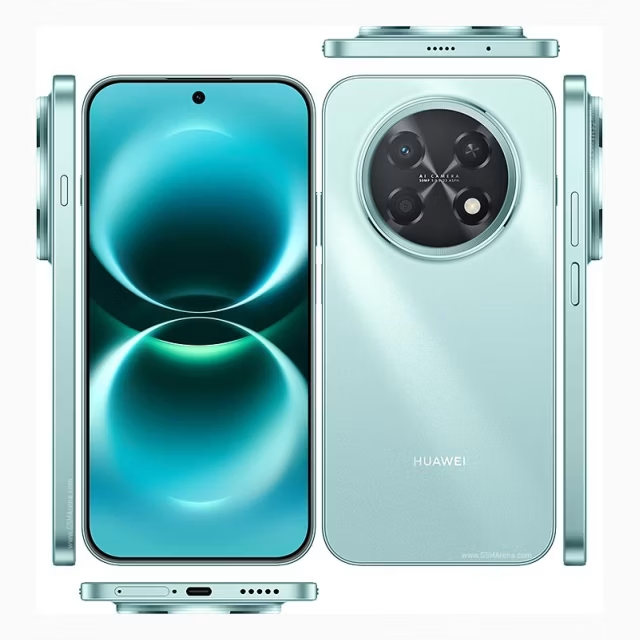
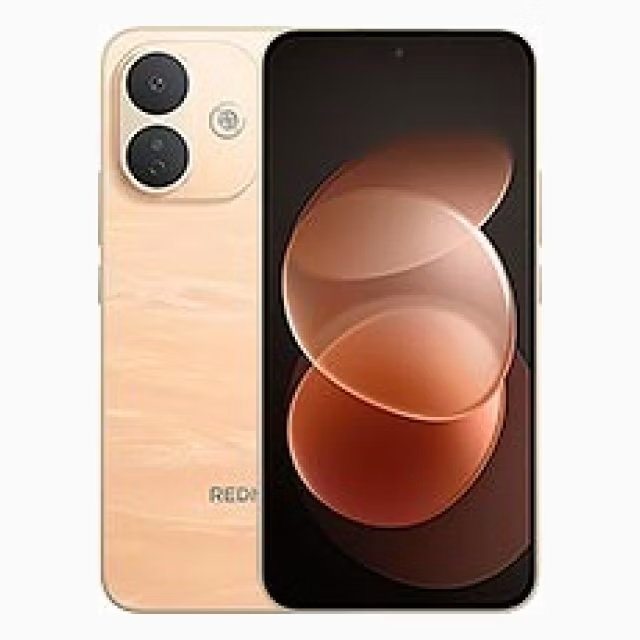
Huawei Enjoy 90 Pro Max vs Xiaomi Redmi Note 17 Pro Refresh (China)
Ce que l’Enjoy 90 Pro Max fait mieux (7) et où le Redmi Note 17 Pro Refresh (China) l’emporte (6) — toutes les caractéristiques côte à côte.
vs
9,5Écran9,6
5,6Photo4,7
8,8Batterie9,3
8,4Équipement8,6
Dimensions
Comparaison des tailles
Enjoy 90 Pro MaxRedmi Note 17 Pro Refresh (China)
| Enjoy 90 Pro Max | Redmi Note 17 Pro Refresh (China) | Écart | |
|---|---|---|---|
| Hauteur | 163,3 mm | 163,5 mm | −0,2 mm |
| Largeur | 78 mm | 78,3 mm | −0,3 mm |
| Épaisseur | 8 mm | 8,5 mm | −0,5 mm |
| Poids | 232 g | 226 g | +6 g |
À la même échelle d’après les dimensions officielles (face et profil).
Pourquoi l’Enjoy 90 Pro Max est-il meilleur que le Redmi Note 17 Pro Refresh (China) ?
- Stockage (max.)512 Go vs 256 Go2×
- Vidéo max.4K vs 1080p
- Selfie vidéo 4KOui · Redmi Note 17 Pro Refresh (China): Non
- Luminosité maximale4 000 nits vs 3 500 nits+14 %
- Norme Wi-FiWi-Fi 7 vs Wi-Fi 5+40 %
- Bluetooth6 vs 5.1+18 %
- Épaisseur8 mm vs 8,5 mm+6 %
Pourquoi le Redmi Note 17 Pro Refresh (China) est-il meilleur que l’Enjoy 90 Pro Max ?
- Charge filaire67 W vs 40 W+68 %
- Capacité de la batterie9 000 mAh vs 8 500 mAh+6 %
- Étanchéité (IPx)IPx8 vs IPx5+60 %
- Gravure4 nm vs 7 nm+75 %
- Poids226 g vs 232 g+3 %
- Ouverture (principal)f/1,8 vs f/1,9+6 %
Caractéristiques
Côte à côte
| Design | ||
| Poids | 232 g | 226 g |
| Épaisseur | 8 mm | 8,5 mm |
| Hauteur | 163,3 mm | 163,5 mm |
| Largeur | 78 mm | 78,3 mm |
| Châssis | Plastique | — |
| Dos | Aluminium | — |
| Indice de protection | IP65 | IP68 |
| Étanchéité (IPx) | IPx5 | IPx8 |
| Protection du verre | Aluminosilicate glass | Corning Gorilla Glass Victus 2 |
| Coloris | Noir, Blanc, Bleu, Or | Noir, Satin Orange, Vert |
| Écran | ||
| Taille de l’écran | 6,8″ | 6,8″ |
| Dalle | OLED | AMOLED |
| Dalle OLED | Oui | Oui |
| Définition (largeur) | 1 272 px | 1 280 px |
| Définition (hauteur) | 2 756 px | 2 772 px |
| Densité de pixels | 444 ppi | 447 ppi |
| Fréquence de rafraîchissement | 120 Hz | 120 Hz |
| Luminosité maximale | 4 000 nits | 3 500 nits |
| Ratio écran/façade | 90,2 % | 89,5 % |
| HDR | Oui | — |
| Performances | ||
| Puce | Kirin 8000 | Qualcomm SM6435-AA Snapdragon 6s Gen 4 |
| Fabricant de la puce | Kirin | Qualcomm |
| Gravure | 7 nm | 4 nm |
| Cœurs CPU | 8 | 8 |
| Fréquence CPU | 2,4 GHz | 2,4 GHz |
| GPU | Mali-G610 MP4 | Adreno |
| Score AnTuTu | 804 373 | — |
| Geekbench 6 (multicœur) | 2 558 | — |
| Mémoire | ||
| RAM | 8 Go | 8 Go |
| Stockage (max.) | 512 Go | 256 Go |
| Stockage (de base) | 128 Go | 128 Go |
| Type de stockage | — | UFS 2.2 |
| Port carte mémoire | Non | Non |
| Photo | ||
| Capteur principal | 50 MP | 50 MP |
| Ouverture (principal) | f/1,9 | f/1,8 |
| Taille du capteur principal | 1/1.56" | 1/2.76" |
| Capteurs arrière | 1 | 1 |
| Stabilisation optique | Non | Non |
| Ultra grand-angle | Non | Non |
| Téléobjectif | Non | Non |
| Vidéo max. | 4K | 1080p |
| Cadence vidéo 4K | 30 fps | — |
| Caméra selfie | 8 MP | 8 MP |
| Selfie vidéo 4K | Oui | Non |
| Batterie | ||
| Capacité de la batterie | 8 500 mAh | 9 000 mAh |
| Type de batterie | Si/C | Si/C |
| Charge filaire | 40 W | 67 W |
| Charge sans fil | Non | Non |
| Connectivité | ||
| 5G | Oui | Oui |
| eSIM | Non | Non |
| Double SIM | Oui | Oui |
| Norme Wi-Fi | Wi-Fi 7 | Wi-Fi 5 |
| Bluetooth | 6 | 5.1 |
| NFC | Oui | Oui |
| USB | USB Type-C 2.0 | USB Type-C 2.0 |
| Version USB | 2 | 2 |
| Port infrarouge | Oui | — |
| GPS double fréquence | Oui | — |
| Navigation par satellite | GLONASS, GALILEO, BDS, QZSS, NavIC | GLONASS, GALILEO, BDS, QZSS |
| Fonctions | ||
| Haut-parleurs stéréo | Oui | Oui |
| Prise jack 3,5 mm | Non | Non |
| Lecteur d’empreintes | Latéral | Sous l’écran |
| Capteurs | Empreinte digitale (latéral), accéléromètre, gyroscope, proximité, boussole | Empreinte digitale (sous l’écran, optique), accéléromètre, gyroscope, boussole, proximité (ultrasons) |
| Logiciel | ||
| Système au lancement | HarmonyOS 6.0 | Android 16 |
| Plateforme | HarmonyOS | Android |
| Surcouche | — | HyperOS 3 |