- Le Bulletin.net
- Comparer
- Magic6 RSR Porsche Design vs V40 Pro
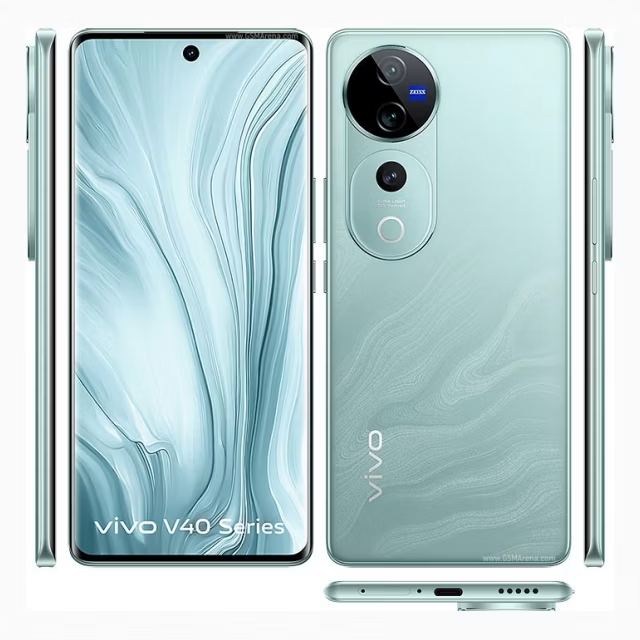
Honor Magic6 RSR Porsche Design vs Vivo V40 Pro
Ce que le Magic6 RSR Porsche Design fait mieux (11) et où le V40 Pro l’emporte (2) — toutes les caractéristiques côte à côte.
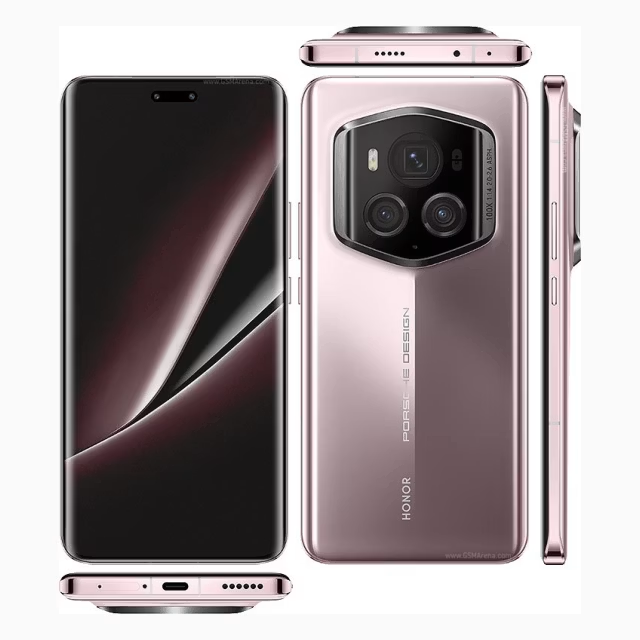
vs
9,3Écran9,4
9,2Photo8,9
8,6Batterie7,8
9,7Équipement9,3
Dimensions
Comparaison des tailles
Magic6 RSR Porsche DesignV40 Pro
| Magic6 RSR Porsche Design | V40 Pro | Écart | |
|---|---|---|---|
| Hauteur | 162,5 mm | 164,4 mm | −1,9 mm |
| Largeur | 75,8 mm | 75,1 mm | +0,7 mm |
| Épaisseur | 8,9 mm | 7,6 mm | +1,3 mm |
| Poids | 237 g | 192 g | +45 g |
À la même échelle d’après les dimensions officielles (face et profil).
Pourquoi le Magic6 RSR Porsche Design est-il meilleur que le V40 Pro ?
- RAM24 Go vs 12 Go2×
- Stockage (max.)1 024 Go vs 512 Go2×
- Charge sans filOui · V40 Pro: Non
- Stockage (de base)1 024 Go vs 256 Go4×
- Autonomie en usage actif (test)14,2 h vs 13,8 h+3 %
- Luminosité mesurée1 731 nits vs 1 307 nits+32 %
- Zoom optique2,5× vs 2×+25 %
- eSIMOui · V40 Pro: Non
- Luminosité maximale5 000 nits vs 4 500 nits+11 %
- Version USB3,2 vs 2+60 %
- Ouverture (principal)f/1,4 vs f/1,9+36 %
Pourquoi le V40 Pro est-il meilleur que le Magic6 RSR Porsche Design ?
- Poids237 g vs 192 g+23 %
- Épaisseur8,9 mm vs 7,6 mm+17 %
Caractéristiques
Côte à côte
| Design | ||
| Poids | 237 g | 192 g |
| Épaisseur | 8,9 mm | 7,6 mm |
| Hauteur | 162,5 mm | 164,4 mm |
| Largeur | 75,8 mm | 75,1 mm |
| Châssis | Titane | — |
| Dos | Verre | Verre |
| Indice de protection | IP68 | IP68 |
| Étanchéité (IPx) | IPx8 | IPx8 |
| Protection du verre | NanoCrystal Shield | Schott Xensation Alpha |
| Coloris | Agate Grey, Frozen Berry | Ganges Blue, Titanium Gray, Moonlight White |
| Écran | ||
| Taille de l’écran | 6,8″ | 6,8″ |
| Dalle | LTPO OLED | AMOLED |
| Dalle OLED | Oui | Oui |
| LTPO (1–120 Hz adaptatif) | Oui | — |
| Définition (largeur) | 1 280 px | 1 260 px |
| Définition (hauteur) | 2 800 px | 2 800 px |
| Densité de pixels | 453 ppi | 453 ppi |
| Fréquence de rafraîchissement | 120 Hz | 120 Hz |
| Luminosité maximale | 5 000 nits | 4 500 nits |
| Luminosité mesurée | 1 731 nits | 1 307 nits |
| Ratio écran/façade | 91,6 % | 89,9 % |
| HDR | Oui | Oui |
| Performances | ||
| Puce | Qualcomm SM8650-AB Snapdragon 8 Gen 3 | Mediatek Dimensity 9200+ |
| Fabricant de la puce | Qualcomm | MediaTek |
| Gravure | 4 nm | 4 nm |
| Cœurs CPU | 8 | 8 |
| Fréquence CPU | 3,3 GHz | 3,35 GHz |
| GPU | Adreno 750 | Immortalis-G715 MC11 |
| Score AnTuTu | — | 1 504 798 |
| Geekbench 6 (multicœur) | — | 5 149 |
| 3DMark Wild Life Extreme | — | 3 908 |
| Mémoire | ||
| RAM | 24 Go | 12 Go |
| Stockage (max.) | 1 024 Go | 512 Go |
| Stockage (de base) | 1 024 Go | 256 Go |
| Type de stockage | UFS 4.0 | UFS 3.1 |
| Port carte mémoire | Non | Non |
| Photo | ||
| Capteur principal | 50 MP | 50 MP |
| Ouverture (principal) | f/1,4 | f/1,9 |
| Taille du capteur principal | 1/1.3" | 1/1.56" |
| Capteurs arrière | 3 | 3 |
| Stabilisation optique | Oui | Oui |
| Ultra grand-angle | Oui | Oui |
| Téléobjectif | Oui | Oui |
| Zoom optique | 2,5× | 2× |
| Vidéo max. | 4K | 4K |
| Cadence vidéo 4K | 60 fps | 60 fps |
| Caméra selfie | 50 MP | 50 MP |
| Selfie vidéo 4K | Oui | Oui |
| Batterie | ||
| Capacité de la batterie | 5 600 mAh | 5 500 mAh |
| Type de batterie | Si/C | Si/C |
| Autonomie en usage actif (test) | 14,2 h | 13,8 h |
| Charge filaire | 80 W | 80 W |
| Charge en 30 min | — | 73 % |
| Charge sans fil | Oui | Non |
| Puissance sans fil | 66 W | — |
| Charge sans fil inversée | Oui | — |
| Connectivité | ||
| 5G | Oui | Oui |
| eSIM | Oui | Non |
| Double SIM | Oui | Oui |
| Norme Wi-Fi | Wi-Fi 7 | Wi-Fi 7 |
| Bluetooth | 5,3 | 5,3 |
| NFC | Oui | Oui |
| USB | USB Type-C 3.2 | USB Type-C 2.0 |
| Version USB | 3,2 | 2 |
| Sortie vidéo | Oui | — |
| Messagerie par satellite | Oui | — |
| GPS double fréquence | Oui | — |
| Navigation par satellite | GLONASS, GALILEO, BDS | GLONASS, GALILEO, BDS, QZSS, NavIC |
| Fonctions | ||
| Haut-parleurs stéréo | Oui | Oui |
| Prise jack 3,5 mm | Non | Non |
| Puissance du haut-parleur | — | -26 LUFS |
| Lecteur d’empreintes | Sous l’écran | Sous l’écran |
| Reconnaissance faciale 3D | Oui | — |
| Capteurs | Fingerprint (under display, optical), Face ID, accelerometer, gyro, proximity, compass | Fingerprint (under display, optical), accelerometer, gyro, proximity, compass |
| DAS (tête) | — | 0,99 W/kg |
| Logiciel | ||
| Système au lancement | Android 14 | Android 14 |
| Plateforme | Android | Android |
| Surcouche | MagicOS 8 | Funtouch 14 |
Comparatifs proches
 vs
 Honor Magic6 RSR Porsche DesignvsSamsung Galaxy S24 Ultra
9,39,3
 vs
Google Pixel 9 Pro XLvsHonor Magic6 RSR Porsche Design
9,39,3
vs
 Samsung Galaxy S24 UltravsVivo V40 Pro
9,39,2
vs
Google Pixel 9 Pro XLvsVivo V40 Pro
9,39,2
vs
 Vivo V40 ProvsVivo V27 Pro
9,28,4
vs
 Vivo V40 ProvsVivo V29 Pro
9,28,0